Dental Implants – Jefferson, OH
The Advanced, Stable Way
to Restore Your Smile

Dental implants in Jefferson are a modern solution to tooth replacement that many people choose because they’re looking for a longer-lasting, stronger, or more natural looking and feeling restoration. Due to their unique structure, they are able to restore the entire portion of missing teeth, including the roots, which makes it feel as though you’ve regained your natural smile again when the treatment is complete. You can learn more about dental implants from our Jefferson, OH dentist by contacting our dental office today to schedule a consultation.
Why Choose Painesville Dental Group for Dental Implants?
- Start-to-Finish Dental Implant Treatment
- Cone Beam CT Scanning Technology for Precise Planning
- Additional Financing Through CareCredit
What are Dental Implants?
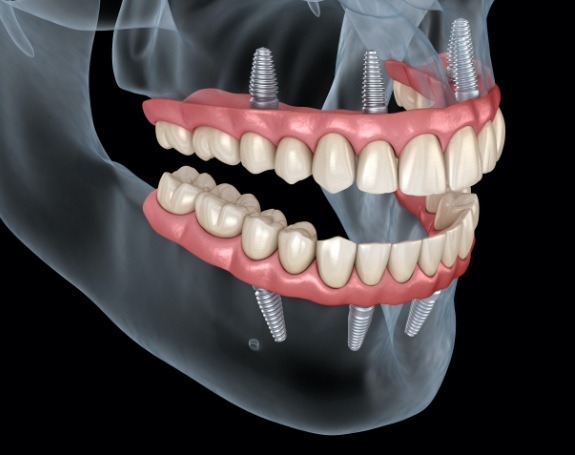
Dental implants themselves are small titanium posts that are placed below the gumline to restore the missing root structure of a tooth. Due to their biocompatible nature, the implants are able to fuse with the jawbone through a process called osseointegration, which provides the restoration that will be secured to them with unmatched stability and strength. This process also distinguishes dental implants from traditional restorative procedures, allowing them to offer a wide array of unique benefits.
The 4-Step Dental Implant Process

Though dental implants are an advanced procedure with complex placement requirements, our highly trained team at Dental Group of Jefferson is capable of delivering quality results. The implant process can be broken down into four distinct phases, and our dental experts, Dr. Hammond and Dr. Pichler can complete the entire procedure in-house, removing the need to see a specialist, saving you time and money. If you’re curious about how the dental implant process works, read more below.
Initial Dental Implant Consultation
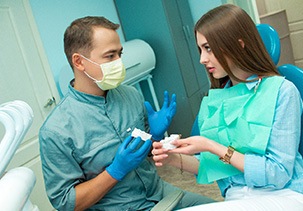
A good consultation and planning phase is the real key to success when it comes to dental implants. We will give your mouth a thorough examination using state-of-the-art diagnostic equipment including digital X-rays and CT scans.
Once we have an idea of what your jawbone and surrounding structures look like, we can see if you’re a good candidate for implants and begin discussing treatment options with you. We’ll also dive into your medical history and answer any questions you may have to make sure we provide a comfortable and effective treatment going forward.
Dental Implant Surgery
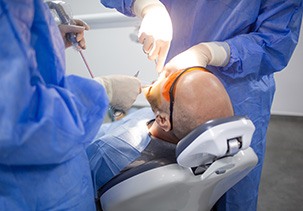
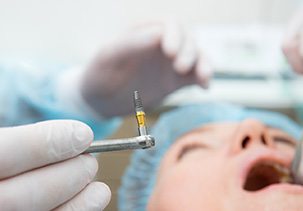
The surgery itself is pretty straightforward. First, we’ll numb your mouth with a local anesthetic so you don’t feel pain. Before moving forward, you also have the option of using nitrous oxide for an extra layer of relief for pain and anxiety. Next, a small incision in your gum is made to expose the jawbone. Then, a screw-like titanium fixture is placed into your jaw with special instruments. Finally, a healing cap is placed over the fixture to keep it covered and promote recovery.
Dental Implant Osseointegration & Abutment Placement

After the implant surgery, osseointegration begins. This is the process where the titanium fixture naturally fuses with your jawbone, creating a foundation for the rest of your implant.
This process typically takes several months, but once healing is complete, you’ll return to our office to have a small connector piece called an abutment attached. This will serve as the anchor for your final restoration. This appointment also allows us to check and make sure everything is progressing smoothly and that the implant is ready for the final step.
Delivery of Dental Implant Restorations
The final step in the dental implant process is placing the custom-made restoration, whether it’s a crown, bridge, or denture. We take impressions of your mouth to create a restoration that perfectly matches the shape, color, and luster of your natural teeth.
Once the restoration is crafted, it is securely attached to the abutment, completing the dental implant process. The result is a natural-looking, fully functional tooth that blends seamlessly with your smile!
Benefits of Dental Implants
Did you know that an estimated 500,000+ dental implants are placed annually? Not only that, but this number is only expected to grow in the coming years. This could be partly because many experts consider them to be the gold standard of tooth replacements because of their unique advantages. Unlike dentures and dental bridges, they’re embedded directly into your jawbone, providing several benefits over the alternatives.
Continue reading to learn more about how your new teeth can positively affect your life, and feel free to contact us for additional information!
Day-to-Day Benefits

Tooth loss can detract from your day-to-day experience because basic tasks like eating, speaking, and smiling confidently are suddenly much more challenging. Dental implants can help by:
- Restoring your chewing power. They return anywhere from 80% to 100% of your initial bite force, which is much higher than the 30% that dentures supply.
- Enunciate clearly. Gaps in your grin can lead to lisps or other challenges to your speaking patterns. With dental implants in place you can express yourself much more accurately so that you can be more easily understood.
- Easy to maintain. Unlike dentures, which are pressed against your connective tissues all day and can increase the chances of developing gum disease, these prosthetics are easy to clean. Simply brush and floss twice daily and visit our team for a routine checkup every 6 months to keep them in great shape.
Health Benefits

If you’re concerned about health risks with dental implants, you can set your mind at ease. They’re known to support your well-being by:
- Prevent dental drifting. Your remaining teeth are prone to shifting out of alignment to fill in the spaces left behind by ones that went missing, which wears down their enamel unevenly and can cause damage or decay. Replacing your missing tooth can safeguard your smile.
- Preserve your jawbone. Up to 25% of the bone mass in your jaw around a missing tooth can be lost in the first year after it falls out, which can alter your facial shape and lead to additional wrinkles. The metal rod of your implant functions like a root to stimulate new bone growth to keep it active and supported.
- Enhance your dental condition. Dental bridges require that healthy teeth be thinned to serve as abutments, and dentures can cause sores in your gum tissue, which can lead to disease or decay. Meanwhile, implants are sturdy standalone structures that are easy to clean to protect your oral health.
Long-Term Benefits

If you opt to replace your lost teeth with dental implants, you’ll also enjoy many long-term benefits like:
- High success rate. They’re typically incredibly reliable and have a success rate of 95% or more even up to 10 years after their initial placement.
- Less hassle. They’re made of durable materials that resist chipping and staining, unlike dentures and dental bridges, which must typically be repaired or relined periodically.
- Save on additional expenditures. Though they may cost more upfront than other options, there’s no need to invest in adhesives, soaking solutions, or other accessories. Plus, they’re less likely to be injured so you can save money in the long run.
Who Dental Implants Can Help

Good news: dental implants can replace one tooth, several teeth in a row, or an entire arch. So, if you are struggling with tooth loss, you shouldn’t hesitate to schedule a consultation with our team at Painesville Dental Group. During this visit, we’ll determine if you’re a good candidate and, if you are, walk you through how we plan to rebuild your smile. Until then, you can read on to learn more on the topic, including the different types of dental implants that we offer.
Who Is a Good Candidate for Dental Implants?

Simply put, not every patient who has suffered from tooth loss is a great candidate for the dental implant procedure right away. In many cases, we need to conduct preparatory procedures to make sure that the gums and jawbone are healthy and strong enough to successfully support the implants. For those who have chronic autoimmune diseases, like diabetes, we may work closely with your primary care physician to ensure your condition is under control and you’ll be able to make a full, quick recovery after your surgery. In any case, the best way to learn whether dental implants are for you is to schedule an initial consultation with our team.
Missing One Tooth
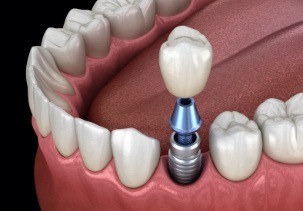
If you are missing one tooth, and we determine that you’re a good candidate for dental implants, then we will secure a single dental implant below the gumline and into the jawbone. Once it has healed and fused with the bone, we’ll secure an abutment on top, which will hold your custom dental crown in place. At this point, the entire structure of your missing tooth will be restored!
Missing Multiple Teeth
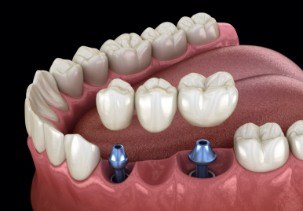
Although traditional dental bridges can replace up to four missing teeth consecutively, there is a downside: this requires the surrounding teeth to be altered, even if they are healthy. Fortunately, that’s not the case for implant bridges. If we decide together that this is the ideal solution for you, then we will place a dental implant on either side of the gap in your smile. Then, after you’ve healed, we’ll attach the bridge to the implants to complete your arch of teeth.
Missing All Teeth
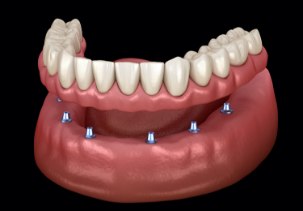
Many patients complain about traditional dentures because they can slip or shift in the mouth. That’s where implant dentures come in. With four to eight dental implants holding your restoration in place, you won’t have to worry about this happening. Not only that, but the lifespan is usually much longer. While traditional dentures often last a decade or so, dental implants can last for over 30 years with proper care.
If you think that dental implants may be the ideal tooth-replacement solution for you, then take the next step: get in touch with our team at Painesville Dental Group to schedule an appointment!
Understanding the Cost of Dental Implants

Although dental implants are more expensive than temporary tooth replacement options like traditional dentures and dental bridges, they truly are a long-term investment in your oral, mental, and overall health. At Dental Group of Jefferson, we understand that your budget can be an important factor in any dental treatment, which is why we’re committed to making your dental implants as affordable as possible. We have years of experience maximizing insurance benefits and are pleased to offer additional financial options like flexible financing and our in-house membership plan to help. While it is impossible to quote you an exact price until one of our dentists has examined your smile in person, here’s a closer look at how we’ll calculate the cost of dental implants in Jefferson once they do.
Preliminary Treatments & Dental Implant Surgery
While not everyone will need preliminary treatment before getting dental implants, if you require tooth extractions, gum disease therapy, or bone grafting, these will increase the overall cost of your dental implant treatment. While they can be expensive and add to the length of time it takes to achieve your final results, they are extremely important for ensuring your dental implants have the best odds for success. The good news is that in many cases they should be at least partially covered by most dental insurance plans.
Please also note that the dental implant surgery itself is a separate cost and can vary depending on where in the jaw your implants are going, as well as what type of anesthesia you’ll need. Thankfully, because your entire treatment is completed right here in our office, you won’t need to worry about the added expense of paying an outside surgeon or driving around from practice to practice to complete your treatment.
The Parts of Your Dental Implant
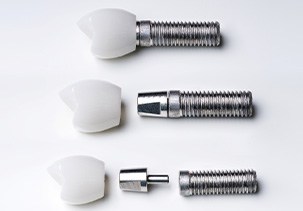
The dental implant itself is typically comprised of three main parts, each of which are sold separately. There are a variety of factors that will determine which parts and materials will work best for your smile. These include:
- The number of dental implants you need: A single dental implant to replace one missing tooth will be less expensive than four to six implants to restore an entire arch with an implant denture; however, an implant denture is much less expensive than replacing an entire arch of teeth individually.
- The type of restoration you choose: Whether you need a single tooth (crown) a few consecutive teeth (bridge), or a complete arch (denture), each prosthetic will cost a different amount. The general rule of thumb is the smaller the restoration, the less expensive it will be.
- The size or material of the dental implant: Dental implants can vary in size depending on where they need to go within the jawbone. They are also available in different materials depending on your preference and if you have metal sensitivities or allergies.
- The brand of dental implant you choose: There are many different manufacturers of dental implants, each with their own product lines to suit a diverse range of patients and their unique needs.
How Dental Implants Can Save You Money

When it comes time to replace missing teeth, many patients select the least expensive option for their restoration, thinking they’re choosing the best value. Usually, this is either a dental bridge or traditional denture. Unfortunately, however, temporary restorations do eventually need to be replaced, so even if they are less expensive initially, you’ll likely end up paying for them again soon enough. Worse yet, because these prosthetics tend to become damaged or wear out sooner, they often require costly repairs.
With dental implants, you’ll only need to pay for your procedure once, and as long as you take care of your restorations and smile, will likely never need to worry about replacement costs or repairs again. In fact, because they are permanently attached to your jaw, they won’t cause any of the problems traditionally associated with dentures, such as oral infections and painful sores that may require expensive treatment. They could even help lower your medical bills by preventing systemic illnesses and their associated costs, too!
Does My Dental Insurance Cover Dental Implants?
Although most dental insurance plans won’t typically cover the cost of dental implants, there are often exceptions. At Painesville Dental Group, our dental insurance team will carefully review your dental insurance plan and maximize your benefits wherever possible. It is possible that portions of your treatment could be covered, including preliminary procedures or even a percentage of the cost of your final restoration.
Making Dental Implants Affordable

In addition to being proudly in-network with several dental insurance companies, we are also pleased to offer the following options for making your dental implant treatment more affordable:
- Our in-house membership plan offers valuable discounts on treatments performed in office and is a great option for patients who don’t already have private dental insurance.
- We gladly accept payment plans from our preferred third-party lender, CareCredit. This program allows you to finance the balance of your treatment and break it into multiple, low-to-no-interest monthly payments.
- We frequently extend special offers for a variety of dental treatments completed in-house.
If you’re ready to get started restoring your healthy, beautiful smile with the help of dental implants, contact us today to schedule a consultation!